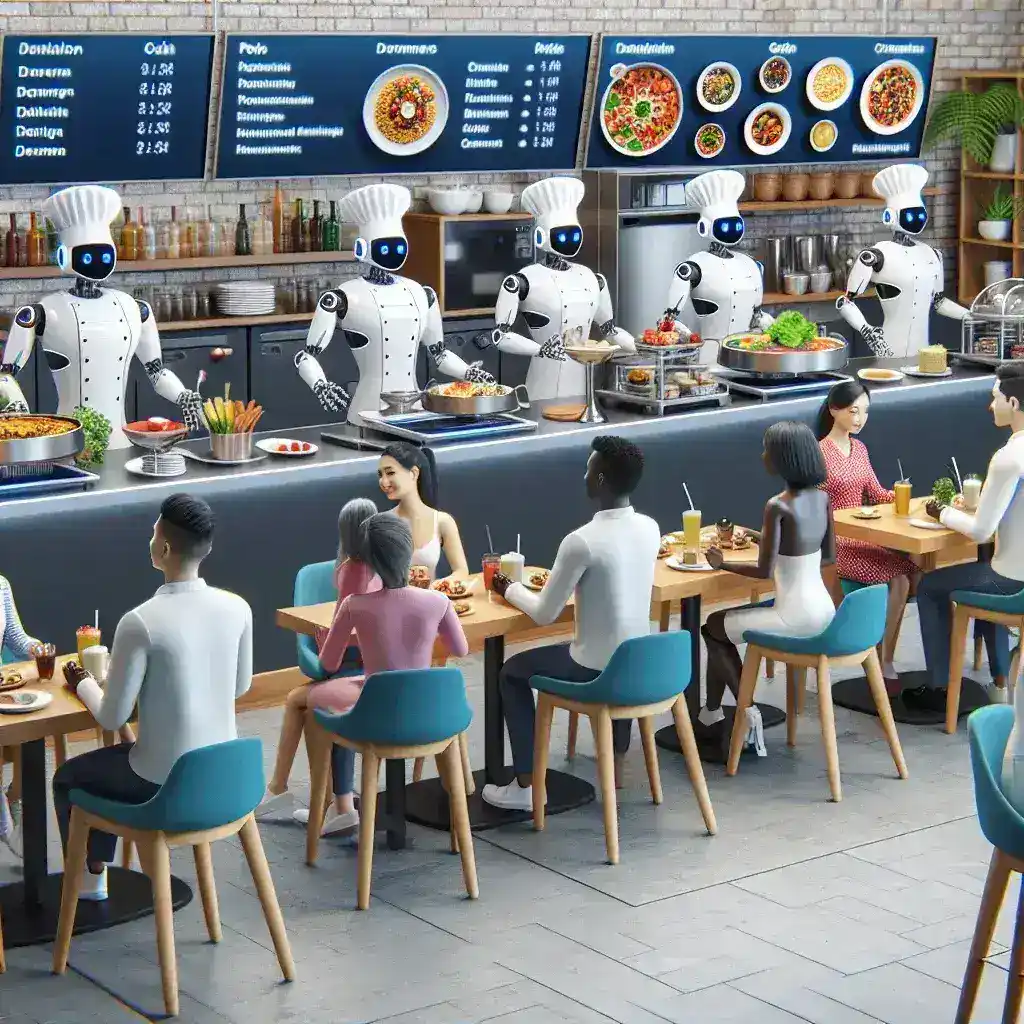
The Rise of Robotics in the Food Service Industry
The restaurant and food industry is experiencing a revolutionary transformation through the integration of robotics and automation technologies. This technological shift is reshaping how food is prepared, served, and delivered to customers, marking a new era in the culinary world.
Key Areas Where Robotics is Making an Impact
1. Kitchen Operations and Food Preparation
Robotic systems are revolutionizing kitchen operations in numerous ways:
- Automated Cooking Systems: Robots can now handle various cooking tasks with precision and consistency, from flipping burgers to preparing complex dishes.
- Ingredient Processing: Advanced machines handle chopping, mixing, and portioning ingredients with exceptional accuracy.
- Quality Control: AI-powered systems monitor food temperature, cooking times, and safety standards.
2. Service and Customer Interface
The front-of-house operations are being enhanced through:
- Robot Servers: Automated delivery systems transport food from kitchen to table.
- Self-Service Kiosks: Interactive ordering systems reduce wait times and improve order accuracy.
- Voice-Activated Ordering: AI-powered systems handle customer orders with natural language processing.
Benefits of Robotics in Restaurants
1. Operational Efficiency
Implementing robotics in restaurants offers several advantages:
- Increased Productivity: Robots can work continuously without breaks, increasing output.
- Reduced Labor Costs: Automation helps optimize workforce allocation and reduces operational expenses.
- Consistent Quality: Robots maintain uniform standards in food preparation and service.
2. Enhanced Food Safety
Robotics contributes to improved food safety through:
- Minimal Human Contact: Reduced handling of food items decreases contamination risks.
- Temperature Monitoring: Automated systems ensure proper food storage and cooking temperatures.
- Sanitation Standards: Robots maintain consistent cleaning and sanitization protocols.
Innovative Applications in the Food Industry
1. Ghost Kitchens and Dark Restaurants
Robotics is enabling the rise of automated kitchen facilities that focus solely on food preparation for delivery services. These facilities operate with minimal human intervention and maximize efficiency through automation.
2. Vending Evolution
Advanced robotic vending machines are emerging that can prepare and serve fresh meals, offering:
- Custom-made salads and bowls
- Fresh-brewed coffee and beverages
- Made-to-order pizzas and hot meals
Impact on Employment and Workforce
1. Job Market Changes
The integration of robotics is creating new opportunities while transforming existing roles:
- New Technical Positions: Demand for robot operators and maintenance technicians
- Skill Development: Need for workers to adapt and learn new technologies
- Role Evolution: Shift from manual tasks to supervision and customer experience
Future Trends and Predictions
1. Emerging Technologies
The future of robotics in restaurants will likely include:
- AI-Driven Menu Planning: Automated systems that adjust menus based on ingredient availability and customer preferences
- Advanced Robotics: More sophisticated robots capable of complex cooking techniques
- IoT Integration: Connected kitchen devices that communicate and coordinate operations
2. Customer Experience Evolution
Future developments will focus on:
- Personalization: AI-powered systems that remember customer preferences
- Interactive Experiences: Robots that engage with customers in entertaining ways
- Seamless Integration: Better blend of human and robotic service elements
Challenges and Considerations
1. Implementation Hurdles
Restaurants must address several challenges when adopting robotics:
- Initial Investment: High costs of purchasing and installing robotic systems
- Training Requirements: Need for staff education on new technologies
- Technical Support: Maintenance and troubleshooting capabilities
2. Social and Ethical Considerations
The industry must balance automation with:
- Human Connection: Maintaining the personal touch in customer service
- Employment Impact: Managing workforce transitions and job displacement
- Cultural Adaptation: Ensuring acceptance of robotic systems by customers
Conclusion
Robotics is fundamentally reshaping the restaurant and food industry, bringing unprecedented efficiency, consistency, and innovation to food service operations. While challenges exist, the benefits of automation are driving continued adoption and development of these technologies. As the industry evolves, finding the right balance between human touch and robotic efficiency will be crucial for success in this new era of food service.
Future Outlook
The integration of robotics in the restaurant industry is not just a trend but a fundamental shift that will continue to evolve and expand. Restaurants that embrace these technologies while maintaining quality and customer satisfaction will be best positioned for success in the future food service landscape.
Leave a Reply